Ollie Hall
CulturalStrategist
 ✏ Draw

I helped AO work out whether Finals Festival brings music fans in for the tennis, or tennis fans in for the music.

When did ads stop taking risks?
Advertising lost its edge the moment it traded creative risk for digital optimisation. Since that shift around 2006, the industry has tried to buy its way out. It isn't working.

Does 'new' music matter?
Streaming taught a generation to listen without caring when a song was made. AI is teaching them not to care who made it.
Where does music criticism go from here?
Published in Bolster — writing on music, culture, and the industry.

Does 'new' music matter?
'New' doesn't mean recently made anymore. It means recently surfaced — for you, by an algorithm. That shift felt like freedom at first. But it's slowly detached us from the context of what we listen to: from scenes, from eras, and now from the artists themselves.
By the numbers
There was a time when the music industry moved on a straight line. If you wanted to stay relevant, you listened to whatever was coming out right now. Today, that whole setup is gone. Your playlist can skip from The Beatles to Nirvana to Chappell Roan without anyone batting an eye. But while it's liberating for the listener, it creates a real problem for the industry: can our music scene survive if audiences stop separating the past from the present? And has that same indifference to context quietly primed us for something worse?
Old songs surface
2021
TikTok hits 1 billion monthly active users. The feed cements itself as the primary route to discovery for a generation.
2022
Stranger Things sends Kate Bush's 'Running Up That Hill' to UK number one — 44 years after its release.
2024
More than 50 catalogue tracks enter the Billboard Global 200 after going viral. [1] Amazon Music's head of programming calls the line between current hits and archive "incredibly blurry." [2]
AI joins the feed
2023
"Heart On My Sleeve" — an AI track mimicking Drake and The Weeknd — goes viral before Universal pulls it within days. AI authorship enters public debate for the first time.
2025
AI-generated uploads flood the major platforms. Deezer reports 60,000 AI tracks a day. The question shifts from when was this made to whether anyone made it at all.
When authorship goes next
While platforms like Spotify are paying out record numbers in royalties, that money is under intense pressure from a new source. Deezer reported that AI-generated tracks made up nearly 40% of their daily uploads — roughly 60,000 automated songs dumped onto the internet every single day. [4] Spotify had to scrub 75 million tracks in a single year because bad actors were using bots to stream fake music and steal payouts from real artists. [3]
The maths is pretty brutal. Industry studies show that by 2028, generative AI could take away a quarter of human creators' income just by eating into that same finite pool of streaming money. [5] Most listeners can't even tell the difference — in a survey of nine thousand people, 97% couldn't spot a fully AI-generated track. [6] Most felt weird about it once they were told, but right now almost none of the streaming platforms label what's human and what's a machine.
Recommendations
For artists
Your humanity is your strongest asset
You can't out-supply a machine, but you can't be replaced by one either. The thing that makes you worth following — your taste, your history, your contradictions, the world you come from — is exactly what an algorithm can't generate. Lean into it.
- Build lore around the work, not just the work itself
- Share the context — where it came from, what it cost, what it's about
- Cultivate the small audience that actually shows up over the large one that scrolls past
- A thousand people who know exactly who you are will out-earn a million who saved one song
For brands
Research before you book
You don't have to book the most contemporary act to be relevant. The artists your audience actually loves right now might not be who you expect — and a well-researched nostalgia booking can land harder than a local name people half-recognise.
- Do the research — find out who your audience is actually listening to, not who you assume they are
- Book for vibe, not consensus. You can't please everyone, and trying to splits the room
- An expensive, divisive headliner is often a worse bet than a great, lesser-known act with a devoted following
- Use your platform to support new artists — sync licensing, support slots, early endorsements
- Steer clear of AI-generated music where you can. It's a short-term saving with a long-term cost to the ecosystem you depend on
For listeners
Get curious about who you're listening to
This isn't a moral duty. It's actually better for you. When you're more connected to an artist, you listen more deliberately, spend more selectively, and get more out of the music. The passive scroll isn't just bad for artists — it's a worse experience for you.
- When you add a song to a playlist, take ten seconds — look up the artist, the album, when it came out
- Ask: who is this? Where did they come from? What's the story?
- Buy a record occasionally. The physical connection changes how you listen
- Follow the thread — one artist leads to a scene, a scene leads to a world
This is most of what I actually do. I help the people who make things build a world around the thing, so the audience attaches to them and not just their output. I think it's about to become the only strategy that works.
Sources & further reading
[1]
TikTok music impact report
Catapult
[2]
TikTok, viral catalogue and frontline music
Billboard
[3]
Spotify paid out $11B in royalties / 75M tracks removed
The Hollywood Reporter
[4]
Deezer AI-generated music figures
SoundGuys
[5]
Global economic study on generative AI and creators
CISAC
[6]
Deezer / Ipsos survey on AI music perception
Deezer Newsroom
[7]
Music streaming statistics
AM World Group
[8]
Building a Fan Economy with Fan-Powered Royalties
SoundCloud / MIDiA Research
[9]
Living for Live — Global Report on the State of Fandom
Live Nation

When did ads stop taking risks?
Advertising lost its edge the moment it traded creative risk for digital optimisation. Since that shift around 2006, the industry has tried to buy its way out. It isn't working.
By the numbers
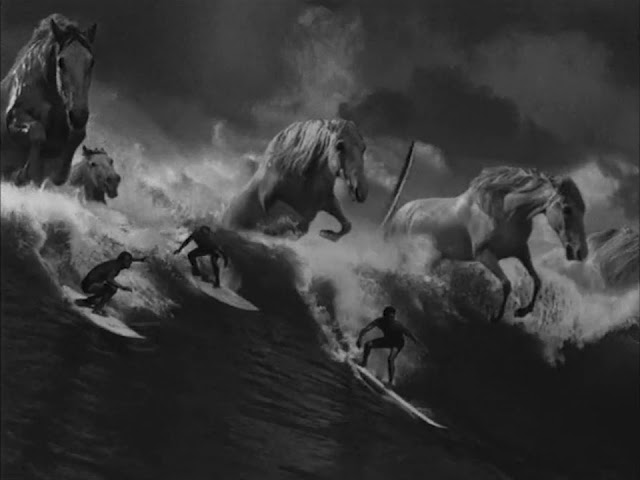
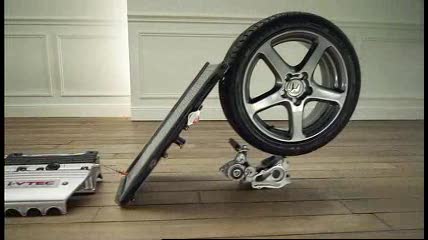
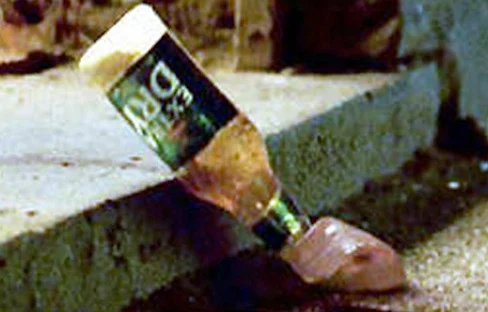
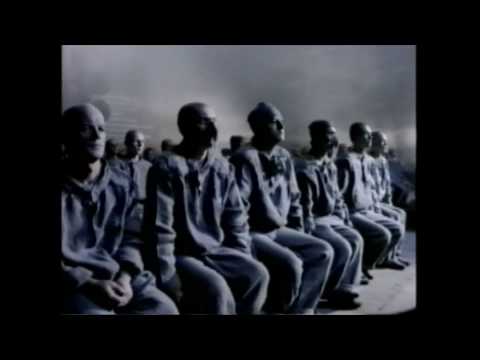
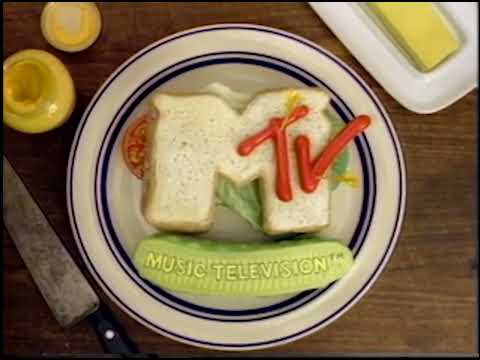
Historically, advertising competed on the strength of its craft. The ambition for major campaigns was to build a world worth buying into, leaning heavily on creative execution. The standout work of that era reflected this—whether it was claymation idents, cinematic commercials or a chocolate brand launching a hit around a gorilla playing the drums. The operating assumption was that audiences wanted to be rewarded for their attention, favoring nuance over a direct pitch.
Some of that work

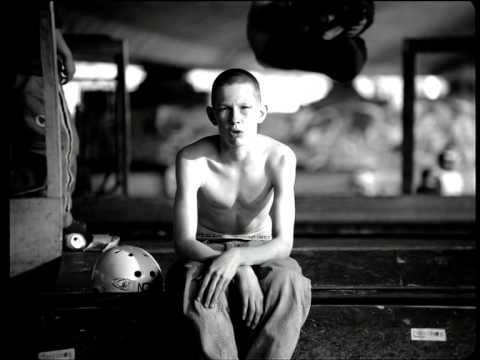 ▶
▶ 1999 · TBWA London
PlayStation: "Double Life"
What people say watching it today
What the data actually shows
The decline isn't just a nagging feeling. It's right there in the numbers.
Orlando Wood's analysis for the IPA tracked the creative characteristics of advertising from 2000 to the present. Around 2006, something fundamental shifted. The work started getting measurably flatter, more literal, and a lot less funny.
There are two ways to look at what caused this squeeze, and they both play a part.
The Supply-Side ArgumentFewer genuinely exceptional ads are being made, so the top end is no longer miles ahead of the pack. This is Wood's core point: the work itself got worse, so the ceiling dropped.
The Context ArgumentGreat work still gets made, but modern channels no longer support its advantages. A two-second skippable slot collapses the gap between a masterpiece and a placeholder because neither has the time to land. The floor and the ceiling have merged simply because the medium has stopped rewarding the difference.
The industry's response was to compensate with media spend. If the creative couldn't carry the weight, more paid reach would. That logic flipped the traditional budget split. Most brands now dump the majority of their cash into short-term performance and activation, even though three decades of IPA data consistently recommends the exact inverse.
The IPA's effectiveness database covers three decades of campaigns. In it, emotional, brand-building work is almost twice as likely as rational messaging to produce a major increase in profit, and that gap holds across the whole dataset [1]. What has changed is how little budget we now give it.
Timeline of the Decline
~2006
The data marks the turning point. Work gets measurably flatter and more literal.
2007
The iPhone launches. Context becomes mobile, fragmented, and impossible to guarantee.
2012
Facebook goes public. Performance advertising industrialises, and brand budgets start following quarterly dashboards instead of instincts.
Now
Ad attention has declined 31% over three years. Playing it safe clearly didn't protect our reach.
How context collapsed
The old media landscape forced us to use judgement. If you bought a spot in an MTV commercial break, you knew roughly who was watching and what headspace they were in. You had to make a call based on feeling. That context gave creative work room to be genuinely odd, because backing a strange idea was a human judgement call, not a metric.
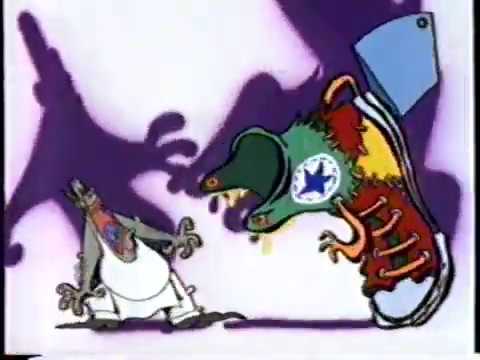 ▶
▶ 1995 · Wieden+Kennedy
Converse: "Lupo's Nightmare"
Imagine pitching an ad in a modern boardroom where a sneaker murders its owner. That is what actually changed. It's not that agency ideas got worse; it's just that companies lost the appetite for risk.
The digital feed doesn't work like an old TV block. The exact same ad goes to someone half-asleep on a bus, someone between meetings, or mid-scroll on a dopamine bender. Because every single interaction can now be tracked, work gets designed to perform on a dashboard. It becomes safe, readable in under two seconds, and aimed at a viewer assumed to be completely distracted.
The trade-off was supposed to be worth it: tighter measurement, lower risk, and more predictable returns. Instead, the work became less interesting and audiences responded accordingly. Ad attention fell by 31% between 2022 and 2025, dropping from an already historic low.
An analytical culture has been "reducing what was once a dazzling art form to dreary science."
Orlando Wood — Lemon / IPA · 2019
Finding our way back
The real loss to the industry is the discipline of world-building. The most enduring campaigns did more than deliver a clear message; they constructed distinct worlds that audiences actively wanted to inhabit. Restoring this standard requires putting modern optimisation tools and metrics back in their proper place, using them to validate the work rather than substituting them for human judgement.
For brands & marketers
Brief for feeling, and protect the budget that builds it
- Hold the line on brand-building. The evidence says it's where your profit compounds over time, yet it's always the first thing to get cut.
- Brief for one feeling, not five messages. Pure emotion consistently outperforms a rational checklist.
- Accept that you will polarise. Work that moves half the room deeply beats work that mildly pleases everyone.
- Judge a route by whether it'll be remembered, not whether it tests safe in a focus group.
For agencies & creatives
Pitch the idea you can't fully justify yet
- Fight the optimisation reflex. If logic alone got you to an idea, it got your competitor there too.
- Build fluent devices. Think characters, a distinct line, or a recurring image. These are the assets that compound into long-term fame.
- Make work that risks being ignored by some, so the people it does reach actually have something to hold onto.
- Bring back what the data says went missing: humor, characters, place, and a genuine sense of time.
For the people measuring success
Stop letting short-term metrics judge long-term work
- A click-through rate is not a brand. Don't grade a fame-building campaign on a performance dashboard.
- Measure feeling, fame, and distinctiveness. These are the actual metrics that predict commercial growth.
- Give ideas time to breathe. The effects that matter accrue over years, not a fortnight.
- Reach is not a proxy for resonance.
The optimisation tools we use today aren't going away, but the questions we ask of them have to change. Brand that run entirely on short-term activation are doing it at the expense of long-term equity.
Balancing that tension is exactly what I do. I help brands build the creative platforms and the long-term strategy that equity is actually built on, ensuring metrics are used to validate the work rather than substitute for the judgement that makes it great. If you're looking to rebalance that split, let's talk.
Sources & further reading
[1]
The Long and the Short of It / Effectiveness in Context
Les Binet & Peter Field, IPA
[2]
The Crisis in Creative Effectiveness
Peter Field, IPA · 2019
[3]
Creative Effectiveness / LINK database (attention percentile, 2023–2025)
Kantar
[4]
Alchemy: The Surprising Power of Ideas That Don't Make Sense
Rory Sutherland
What I do
Research, Strategy,
Systems.
I help brands and organisations understand what's going on, decide what to do about it, and build the tools to act. Sometimes that's one of these. Often it's all three — the research sharpens the strategy, and the systems make it real.
Understand what's happening. Before making decisions, understand the people, culture and systems around you. Who is this actually for? What do they care about? What's shifting out there? I combine cultural analysis, audience research and data to find the patterns that matter.
Reading the scene around you — the movements, references and tensions your audience actually lives in. For organisations that want to move in culture from a place of understanding rather than a guess.
- Cultural landscape analysis (what's happening in the relevant scene or sector)
- Audience values mapping (what they care about, what they're already engaged with)
- Signals and tensions worth paying attention to
- A clear read of where you could credibly participate
- Community immersion (getting close to the scene rather than watching from outside)
- Creator and subculture mapping
- Desk research synthesis across sources
- Ongoing landscape monitoring
Getting close to the people you're trying to reach — who they are, what moves them, and whether an idea actually lands. From a quick honest read to a proper study. Is this lineup right? Is the price off? Would anyone care?
- A defined research question and brief
- Primary research conducted to answer it
- Findings summary with a clear recommendation
- Method: depth interviews, an online survey, a focus group, or desk research
- Audience segmentation and personas
- Concept and message testing
- Sample: size and recruitment criteria vary by question
Where the category is heading and where the whitespace is. Separating the durable shifts from the noise, so you're planning against what's next rather than what just happened.
- Category and competitor scan
- Trend analysis with a view on what's durable vs fleeting
- Market and whitespace opportunities
- Sizing and demand estimates
- Adjacent-category and international reads
- Quarterly trend briefings
Decide what to do. Turning insight into direction. I help organisations answer the questions that are hardest to answer: Where should we play? Who should we speak to? What should we create? How should we show up?
For when you want to show up in culture without it feeling forced or borrowed. Strategy for organisations that live in culture, or brands trying to earn a credible place in it.
- Cultural landscape analysis (what's happening in the relevant scene or sector)
- Audience values mapping (what they care about, what they're already engaged with)
- Positioning or participation direction
- Partnership and collaboration logic (who, why, how)
- Consumer research to validate or deepen the cultural picture
- Stakeholder workshops for alignment across internal teams or boards
- Communications and activation framework (how the strategy shows up in practice)
- Talent and creator identification
For when you need to get clear on who you are as a brand. What do we actually stand for? Who are we really talking to? Why would anyone choose us? The foundation everything else is built on.
- Positioning statement
- Audience definition
- Brand pillars
- Tone of voice direction and vocabulary guide
- Competitive landscape snapshot
- Internal stakeholder workshops (where there are teams, founders, or boards to align)
- Qualitative consumer research (depth interviews, where a rebrand warrants it)
- Quantitative survey (broader validation, audience segmentation)
- Brand architecture (where multiple product lines or sub-brands exist)
For when you're posting but nothing's landing. Or you're about to start and want to get it right. What should we actually be making? Who should be making it? Are we even on the right platforms?
- Channel audit (what's working, what isn't, what's missing)
- Content pillars and thematic direction
- Platform-specific format and frequency
- Tone of voice applied to content contexts
- Creator and talent strategy (identifying, briefing, evaluating partners)
- Newsletter strategy
- Editorial partnerships and media network recommendations
- Content calendar template
- Paid amplification recommendations
Turning a direction into a plan for how it enters the world. The idea, the sequencing, the audiences and the moments that matter — whether it's a launch, a new platform, or a season-long concept.
- The core idea or platform
- Audience and channel priorities
- Sequencing and key moments
- Go-to-market timeline and rollout plan
- Partnership and collaboration logic
- Success measures and check-ins
Build the tools to make better decisions. Creating the infrastructure that turns thinking into action. What should our site actually do? Could we build a tool for this? Are we tracking the right things? I design and build systems that help teams understand audiences, organise information and move faster.
Sites that do something, not just look good. From portfolio builds to functional tools with a real job to do. I design and build end-to-end, or come in on an existing build that needs a thinking layer added to it.
- Design and build, end to end (or a thinking layer on an existing build)
- A site with a clear job to do, not just a look
- Built to be handed over and maintained
- Custom tools and interactive features
- CMS setup so your team can run it
- Analytics and tracking wired in
One visual language, working everywhere it needs to. Creative direction for digital brands — the site, the feed, the deck, the reel. Usually it starts with what you already have: working out which parts are load-bearing, adapting the rest, and building the system that keeps it consistent as more of it gets made.
- An audit of what you already have (what's working, what's drifted)
- The core elements defined (type, colour, grid, imagery)
- Built for your team to use, not just to look at
- Interface and product design (UI and UX)
- Social and campaign templates (feed, story, reel)
- Motion design and animated brand assets
Paid campaigns and the measurement underneath them. How spend is structured, tracked and reported — getting the setup right before you put money behind it, and being able to tell what it actually did afterwards. The metrics that matter, not vanity numbers.
- Campaign structure and naming conventions
- Tracking and conversion setup (GA4, Meta Pixel)
- A dashboard your team will actually read
- Attribution and funnel setup
- Audience and creative testing framework
- Cross-platform setup (Meta, Google, TikTok), handover and training
Not sure which of these fits what you're trying to do? Most projects span more than one. Get in touch and we'll figure it out.
Get in Touch →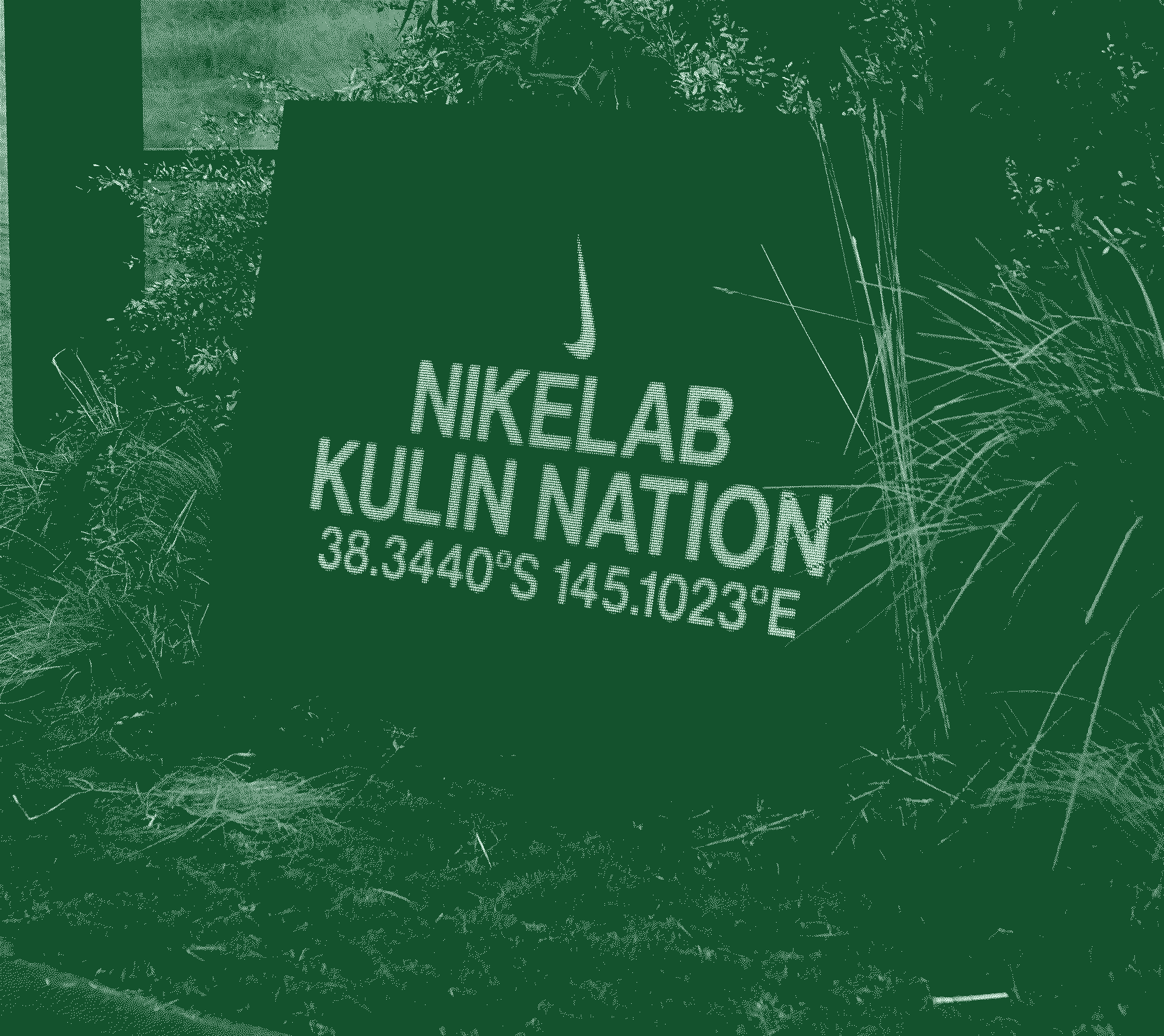

2023
NikeLab Radio* Kulin Nation
Going North × Nike
Cultural programming and editorial direction for a weekend incubator for Nike's emerging talent on Kulin Country.
- Cultural Strategy
- Editorial Direction
- Music Programming
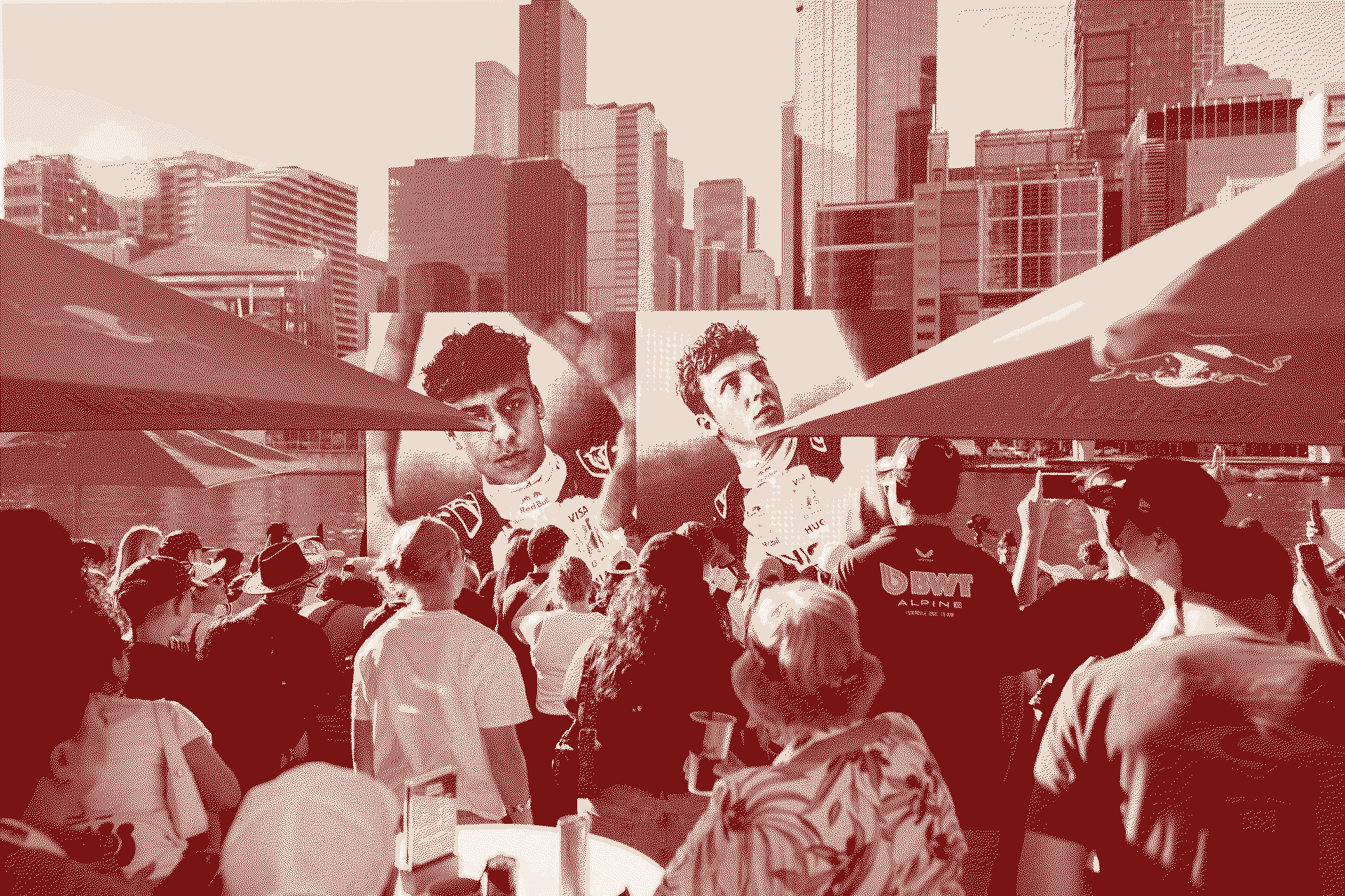

2026
Cultural Activations / Field Marketing
Red Bull
Field Marketing Manager for Victoria and Tasmania. Putting Red Bull at the centre of the state's cultural calendar across AO, F1, WSL, Hardline and more.
- Field Marketing
- Brand Activation
- Cultural Strategy
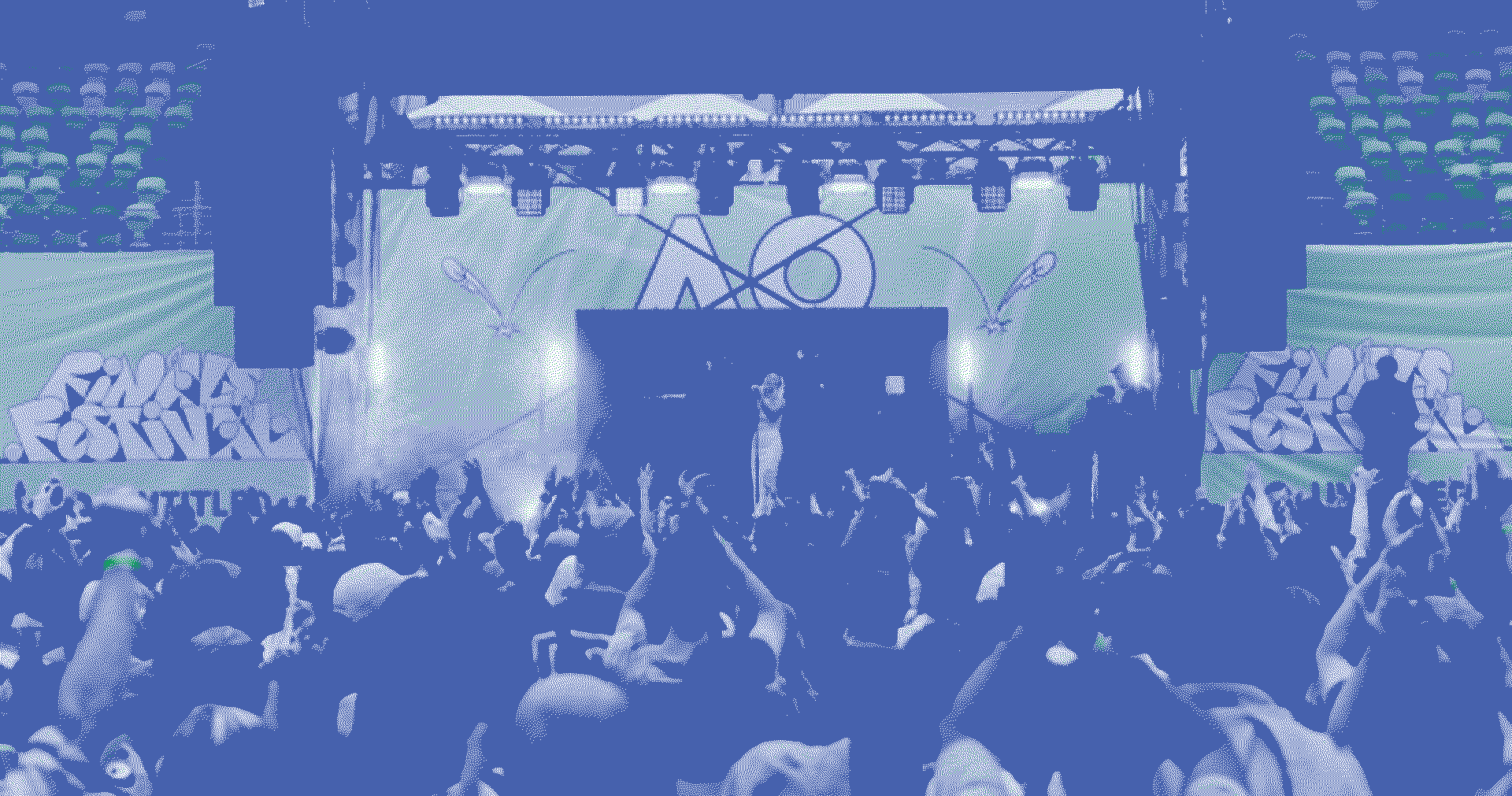

2024
Finals Festivals Audience Research
Australian Open × Untitled Group
Audience research for AO Live's Finals Festivals. Figuring out who was actually showing up, and whether the music lineup was the right fit for a tennis crowd.
- Audience Research
- Consumer Insights
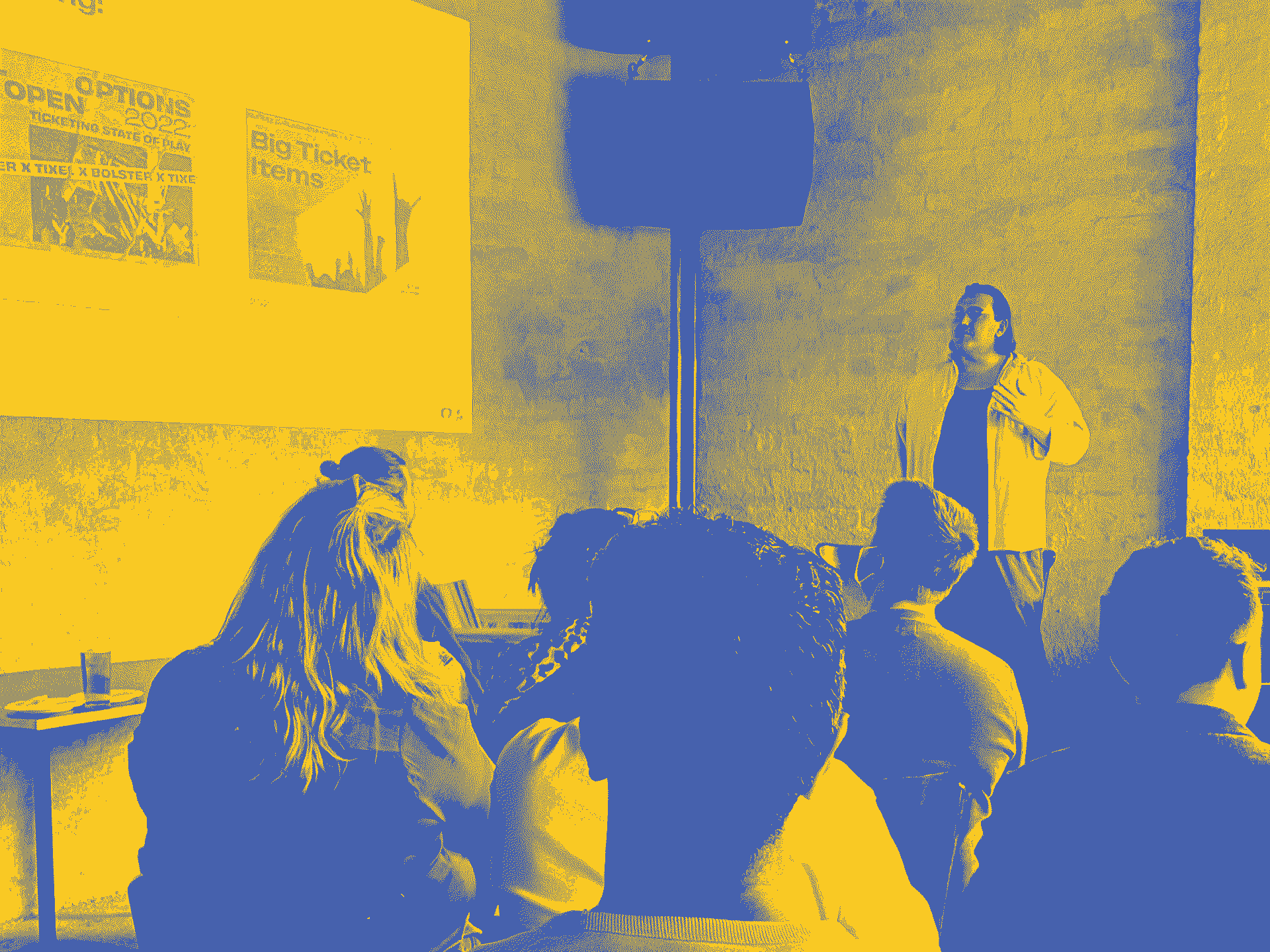

2024
Ticketing State of Play Report
Bolster × Tixel
Four years of original consumer and industry research into Australia's live music and festival landscape.
- Research Design
- Consumer Insights
- Industry Analysis
- Report Writing

2023
The Future of Music Publishing
Warner Music Australia
A research report into the state of music publishing and the future of Warner Music Australia's mastheads.
- Research
- Strategic Analysis
- Report Writing

"This is one of the greatest ads ever. Sends shivers up my spine"
"The late 90's period was the peak of creativity, artistic freedom and 'edginess' in ads, TV and cinema. You won't see anything like this anymore."
"Stands the test of time. 20+years and still beautifully relevant."
"They could easily reuse this ad for the PS4 or PS5 and people would still be blown away"
"Absolute masterclass in ad making. Still sends shivers up my spine"
"Confessions of a gamer. This was the advert that inspired me to get a PlayStation."